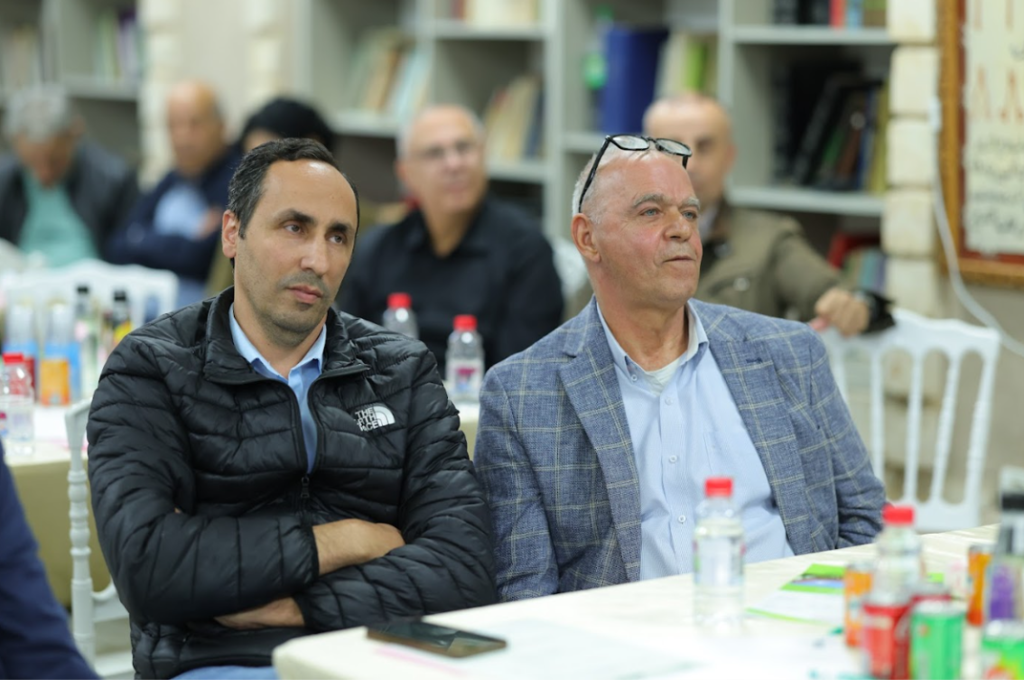
On 26 November 2025, the Triangle R&D Center (TRDC), a key partner in the EU-funded REGACE Project, hosted a regional conference titled “Promoting Agrivoltaic Solar Energy in Arab Society”.
The event drew government officials, local authority leaders, financial institutions, energy experts, and members of the academic community. Together, they explored how agrivoltaics can support local agriculture, strengthen energy resilience, and create new economic opportunities for Arab communities in Israel.
The conference opened with strong government representation. Attendees included Danny Greenberg from the Prime Minister’s Office for Arab Society Affairs, Yinon Aharoni, Director General of the Ministry of Welfare and Social Security, and Interior Ministry Director General, Israel Ozen.
Five heads of local authorities from Arab society participated as well. Their involvement highlighted a growing recognition that smart energy solutions can support broader social and economic development goals.
The event also featured representatives from Siraj Alternative Energy, the Israel Electric Corporation, and Bank Leumi. This mix of public and private sector participants created a practical space for discussing the real obstacles that farmers and entrepreneurs face when entering the renewable energy market.
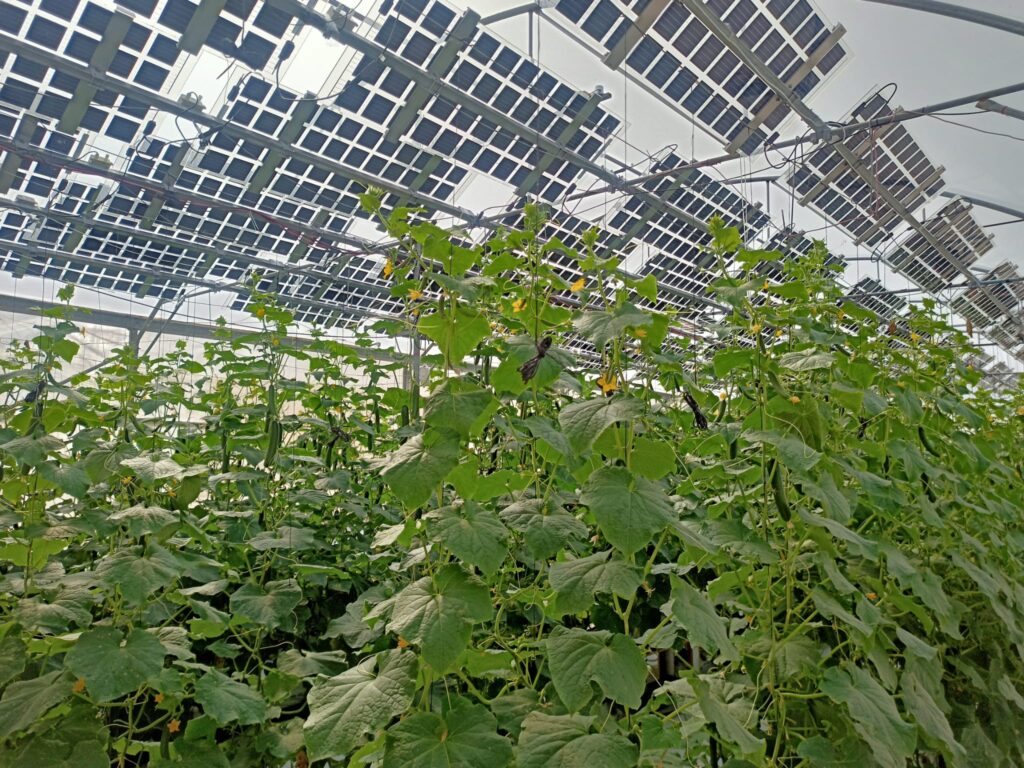
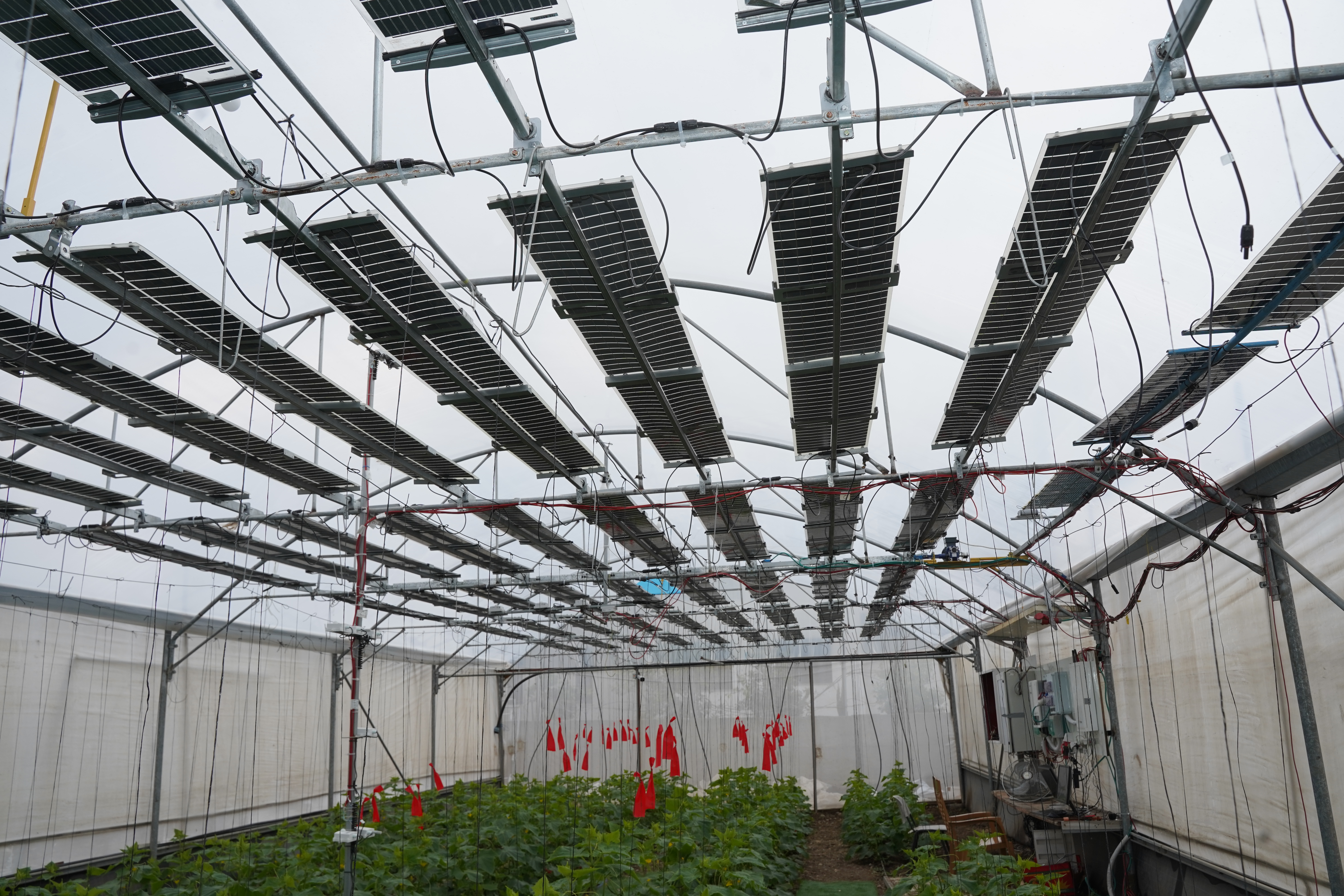
A central part of the program was the introduction of the REGACE Project by Dr. Ibrahim Yehia of TRDC. He presented the project’s research on integrating solar energy inside greenhouse systems. This approach allows farmers to produce clean electricity without harming agricultural output.
Dr. Yehia noted that agrivoltaics can be especially valuable in regions with limited available land, where farmers must make the most of every square meter. As he explained, “Our work in REGACE shows that agriculture and renewable energy do not need to compete. They can strengthen each other in smart and efficient ways.”
Discussions during the conference covered several barriers that delay agrivoltaic development in Arab society. Many participants pointed to regulatory challenges, including unclear guidelines for installing solar panels in greenhouses and long licensing procedures.
Planning and zoning limitations also restrict the use of agricultural land for combined energy production. Financial barriers remain a major concern. Farmers in peripheral areas face difficulty securing loans due to high collateral requirements and limited exposure to agrivoltaic business models among banks.
The REGACE Project directly addresses many of these issues. Through pilot systems in Israel and five European countries, the project gathers real performance data that can help government ministries and local authorities design clearer and more supportive regulations.
The project also provides tools that improve understanding of profitability, energy savings, and environmental benefits. These insights help banks evaluate agrivoltaic proposals with greater confidence. For farmers, the practical outputs of REGACE can translate into new income streams, reduced energy costs, and more resilient agricultural operations.
For Arab society, agrivoltaics offers more than a technical solution. It represents an opportunity to strengthen local communities, reduce socio economic gaps, and support long term regional development.